How Building Muscle Quietly Shields Your Health (And Why You’ve Been Underestimating It)
You don’t need to be a gym fanatic to benefit from stronger muscles. In fact, muscle building isn’t just about looks—it’s a powerful shield against chronic diseases. I started lifting simply to feel stronger, but what surprised me was how much better my energy, posture, and overall health became. Science now shows that muscle mass plays a key role in preventing conditions like diabetes, heart disease, and even frailty as we age. This is more than fitness—it’s long-term health insurance. While many focus on weight loss or cardiovascular endurance, the quiet strength of muscle often goes unnoticed. Yet, it works behind the scenes every day, regulating metabolism, supporting movement, and protecting organ function. The truth is, your muscles are not just for lifting—they’re helping you live longer, healthier, and with greater independence.
The Hidden Health Power of Muscle
Muscle is far more than a marker of physical strength or appearance. It functions as a vital metabolic organ, actively participating in the body’s daily regulation of blood sugar, hormones, and energy balance. When you move, your muscles absorb glucose from the bloodstream to use as fuel, acting much like a sponge soaking up excess sugar. This natural process helps stabilize insulin levels and reduces the risk of developing insulin resistance, a precursor to type 2 diabetes. Unlike fat tissue, which is largely passive, muscle is metabolically active—meaning it burns calories even at rest and contributes to a more efficient metabolism.
Beyond metabolic regulation, muscle plays a critical role in joint stability and mobility. Strong muscles around the knees, hips, and spine act as natural shock absorbers, reducing wear and tear on cartilage and lowering the likelihood of developing osteoarthritis. They also improve balance and coordination, which are essential for preventing falls—especially as we grow older. Additionally, emerging research suggests that muscle tissue releases myokines, small proteins that have anti-inflammatory effects and support immune function. These biochemical signals may help reduce systemic inflammation, a known contributor to many chronic conditions including heart disease and certain cancers.
Studies consistently show that individuals with higher muscle mass have lower risks of premature death and chronic illness. For example, a 2014 study published in the American Journal of Medicine found that people with low muscle mass were at significantly greater risk of cardiovascular events, independent of body weight. Another large-scale analysis in Obesity demonstrated that metabolically healthy individuals with higher muscle mass had a 30% lower risk of developing metabolic syndrome over time. These findings reinforce the idea that muscle is not merely supportive tissue—it is a key player in long-term health resilience.
Think of your muscles as your body’s engine. Just as a well-maintained car runs more efficiently and lasts longer, a body with strong, functional muscle operates with greater ease and durability. It powers daily activities—from carrying groceries to climbing stairs—without strain. And when illness or injury occurs, those with greater muscle reserves tend to recover faster and with fewer complications. In this way, building muscle is not about achieving a certain look; it’s about enhancing your body’s internal infrastructure to support a healthier, more capable life.
Why Modern Life Weakens Us (And Why It Matters)
Today’s lifestyle is designed for convenience, but it comes at a hidden cost: the gradual erosion of muscle strength. Most adults spend the majority of their waking hours seated—whether at a desk, in front of a screen, or during commutes. This prolonged inactivity sends a signal to the body that muscle is no longer needed, triggering a slow but steady decline in muscle mass known as sarcopenia. While often associated with older adults, this process can begin as early as age 30, with people losing 3% to 5% of their muscle mass per decade thereafter. Without intentional effort to counteract it, this loss accelerates after 50, leading to weakness, fatigue, and increased dependency.
The consequences of this decline are more than physical. Reduced muscle mass slows metabolism, making it easier to gain fat even without changes in diet. It also diminishes functional capacity, meaning everyday tasks—like getting up from a chair, lifting a suitcase, or walking up a flight of stairs—become more difficult. Many women in their 40s and 50s report feeling constantly tired, not because they’re lazy, but because their bodies have to work harder to perform basic movements. This fatigue can create a vicious cycle: low energy leads to less movement, which leads to further muscle loss, which then worsens fatigue.
Moreover, low muscle mass is linked to poorer health outcomes during illness. Research shows that patients with higher muscle mass tolerate medical treatments better, experience fewer complications, and recover more quickly from surgery or infections. For example, a 2018 study in JAMA Surgery found that surgical patients with low muscle mass had longer hospital stays and higher rates of postoperative complications. This highlights an important truth: strength is not just about fitness—it’s a medical asset. In times of physical stress, your muscles serve as a reserve, helping your body repair and regenerate.
Consider the real-world impact: a woman who used to carry her children’s car seats without thinking now struggles to lift a bag of dog food. Another finds herself out of breath after walking from the parking lot to the store. These aren’t signs of aging they must accept—they’re signals that muscle has been neglected. The good news is that this decline is largely preventable. Unlike some aspects of aging, muscle loss is not inevitable. With consistent, manageable effort, it’s possible to maintain—and even rebuild—muscle at any stage of life. Recognizing the problem is the first step toward reversing it.
Muscle vs. Disease: What the Science Says
The protective role of muscle against chronic disease is increasingly supported by scientific evidence. One of the most well-documented benefits is its effect on metabolic health. Muscles are the body’s largest site for glucose disposal. When you engage in resistance training, you increase the number and sensitivity of insulin receptors in muscle cells, making it easier for glucose to enter and be used for energy. This improves insulin sensitivity, a key factor in preventing type 2 diabetes. A 2017 study in Medicine & Science in Sports & Exercise found that adults who performed strength training at least twice a week had a 32% lower risk of developing type 2 diabetes, independent of aerobic exercise.
Cardiovascular health also benefits from muscle strength. Stronger muscles improve circulation, reduce blood pressure, and help regulate cholesterol levels. A 2019 study in Mayo Clinic Proceedings followed over 4,000 adults and found that those with higher muscle strength had a significantly lower risk of heart disease and stroke—even after adjusting for body mass index and physical activity levels. Researchers believe this is due in part to improved vascular function and reduced systemic inflammation. Additionally, muscle mass is associated with healthier body composition, meaning less visceral fat—the dangerous fat that wraps around internal organs and contributes to heart disease.
Bone health is another area where muscle plays a crucial role. Bones respond to the forces placed upon them, and muscle contractions during strength training create the mechanical stress needed to stimulate bone growth. This helps maintain bone density and reduces the risk of osteoporosis and fractures. For women, especially after menopause when bone loss accelerates, this is particularly important. A 2020 review in Osteoporosis International concluded that progressive resistance training is one of the most effective non-pharmacological strategies for preserving bone mineral density.
Perhaps most importantly, muscle acts as a form of preventive medicine. While many health interventions focus on treating disease after it appears, building muscle is a proactive strategy. It enhances the body’s resilience, making it better equipped to handle stress, infection, and aging. It’s not about eliminating risk entirely—no single factor can do that—but about shifting the odds in your favor. By investing in muscle now, you’re not just improving how you look or feel today; you’re building a biological buffer that can protect your health for decades to come.
Simple Doesn’t Mean Weak: Rethinking Exercise
One of the biggest barriers to strength training is the misconception that it requires hours at the gym, heavy weights, or advanced knowledge. Many women imagine muscle building as a pursuit for athletes or bodybuilders, involving complex routines and intimidating equipment. But the truth is, effective strength training can be simple, accessible, and integrated into even the busiest schedules. The key principle is progressive overload—gradually increasing the demand on your muscles over time. This doesn’t require heavy lifting; it can be achieved through bodyweight exercises, resistance bands, or light dumbbells used consistently.
Research shows that just two 20- to 30-minute sessions per week can lead to meaningful gains in strength and muscle mass. A 2021 study in Scandinavian Journal of Medicine & Science in Sports found that home-based resistance training with minimal equipment produced similar improvements in muscle strength as gym-based programs. This means you don’t need a membership or specialized gear to get started. A set of resistance bands, a pair of adjustable dumbbells, or even household items like water bottles or cans can serve as effective tools.
What matters most is consistency, not intensity. Small, regular efforts compound over time. For example, doing a few sets of squats or wall push-ups every other day may seem minor, but over weeks and months, these movements lead to real changes in muscle tone, strength, and endurance. The goal isn’t to exhaust yourself in a single workout but to create a sustainable habit that supports long-term health. Over time, you’ll notice improvements not in the mirror, but in how you move through your day—with more energy, less stiffness, and greater confidence in your physical abilities.
Another common myth is that strength training will make women “bulky.” This is rarely the case, especially without extreme training and diet regimens. Most women build lean, functional muscle that enhances tone without adding significant size. In fact, increased muscle mass can improve body composition by replacing fat with metabolically active tissue, leading to a leaner appearance even if the scale doesn’t change much. Reframing strength training as a form of self-care—not punishment or vanity—can help shift mindset and encourage long-term adherence.
How to Build Muscle Without Overcomplicating It
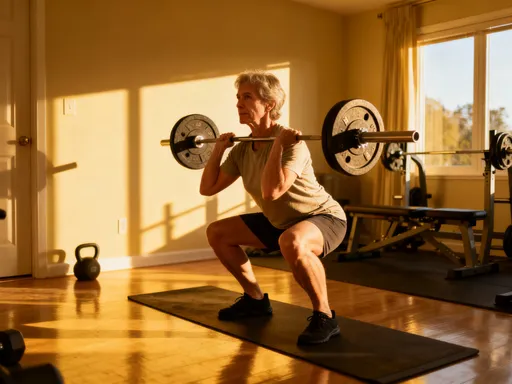
Starting a strength training routine doesn’t have to be overwhelming. A beginner-friendly approach involves 2–3 full-body workouts per week, each lasting 20 to 30 minutes. Focus on compound movements that work multiple muscle groups at once, such as squats, lunges, push-ups, and rows. These exercises mimic real-life movements and deliver the most benefit for the time invested. For example, a squat strengthens the glutes, quads, and core—muscles used in standing, sitting, and lifting.
Proper form is essential to prevent injury and maximize effectiveness. When performing a squat, keep your chest up, back straight, and knees aligned with your toes as you lower your hips back and down. For push-ups, modify by doing them on your knees or against a wall if needed—what matters is engaging the chest, shoulders, and arms safely. Resistance bands can add challenge to rows: step on the band with both feet, hold the handles, and pull your elbows back while squeezing your shoulder blades together. Aim for 2–3 sets of 10–15 repetitions per exercise, resting 30–60 seconds between sets.
Recovery is just as important as the workout itself. Muscles grow during rest, not during exercise, so allowing at least one day between strength sessions is crucial. Prioritize sleep—aim for 7 to 8 hours per night—as this is when tissue repair and hormone regulation occur. Nutrition also plays a supportive role. While you don’t need to obsess over macros, including a source of protein with each meal helps provide the amino acids needed for muscle repair. Good options include eggs, Greek yogurt, beans, chicken, or tofu. Spreading protein intake throughout the day is more effective than consuming it all at once.
Tracking progress doesn’t have to involve the scale. Instead, focus on functional improvements: Can you do more repetitions? Do stairs feel easier? Do you feel steadier when carrying heavy bags? These are signs of real strength gains. Over time, you may also notice better posture, reduced joint pain, and increased energy. Celebrating these non-scale victories reinforces motivation and reminds you that health is about how you feel, not just how you look.
Integrating Muscle Work Into Real Life
For many women, finding time for exercise is a major challenge. The solution isn’t to carve out an hour-long window, but to weave movement into existing routines. Micro-workouts—short bursts of activity lasting 5 to 10 minutes—can be done throughout the day. Do a set of squats while waiting for the coffee to brew. Perform standing calf raises while brushing your teeth. Take a few minutes during a work break to do wall push-ups or seated leg lifts. These small efforts add up and keep your muscles engaged.
Look for opportunities to move more in daily life. Take the stairs instead of the elevator. Park farther from the store entrance. Stand or pace during phone calls. These habits increase overall activity levels and support muscle maintenance. If your job involves sitting for long periods, set a reminder to stand and stretch every hour. Even standing engages core and leg muscles more than sitting, helping to counteract the negative effects of prolonged inactivity.
Home workouts are another practical option. With minimal space and equipment, you can complete an effective strength session in your living room. Follow online videos designed for beginners, or create your own routine using a simple circuit: 10 squats, 10 push-ups (modified as needed), 10 rows with a resistance band, and a 30-second plank. Repeat 2–3 times. The key is to make it convenient and repeatable, not perfect.
Common barriers like fear of injury or feeling self-conscious at the gym can be overcome with gradual progression and self-compassion. Start with low-intensity movements and build confidence over time. If you have health concerns, consult your doctor before beginning a new program. Remember, the goal is not to achieve perfection, but to feel stronger and more capable. Focus on what your body can do, not what it looks like. This mindset shift fosters sustainability and long-term success.
Your Body’s Long-Term Investment
Building muscle is one of the most powerful investments you can make in your long-term health. Unlike short-term diets or fitness trends, strength training offers lasting benefits that extend far beyond the gym. It enhances resilience, allowing your body to better withstand illness, injury, and the natural aging process. It supports independence, helping you stay active and self-sufficient well into later years. And it improves quality of life by reducing pain, boosting energy, and increasing confidence in your physical abilities.
The best part? It’s never too late to start. Research shows that even individuals in their 70s and 80s can build muscle and improve strength with consistent training. A 2010 study in Journal of the American Geriatrics Society found that older adults who participated in a 12-week resistance program gained an average of 2.4 pounds of muscle and significantly improved their walking speed and balance. This proves that age is not a barrier—consistency is.
At the same time, starting earlier provides greater long-term protection. Women in their 30s, 40s, and 50s who build and maintain muscle are better positioned to avoid the rapid decline that often occurs later in life. By establishing a routine now, you’re not just addressing current fatigue or stiffness—you’re laying the foundation for a healthier future. Think of it as preventive healthcare you can do at home, with minimal cost and maximum return.
Stronger muscles mean a stronger, healthier you. They are not just about lifting weights—they are about lifting your life. Whether you’re carrying groceries, playing with grandchildren, or simply moving through your day with ease, your muscles are working for you. By giving them the attention they deserve, you’re choosing a path of vitality, independence, and well-being. This isn’t about chasing an ideal body. It’s about building a body that serves you—now and for years to come.