How I Made the Mediterranean Diet Actually Work — With Real Food and Simple Moves
You’ve probably heard the Mediterranean diet is one of the healthiest ways to eat — and honestly, it is. But for years, I thought it was just salads and olive oil with zero joy. Then I tried it my own way: filling, flavorful, and paired with easy daily movement. No extremes, no rules. Just real life. What changed? I finally felt energetic, lighter, and more in control — and I wish I’d started sooner.
The Mediterranean Diet Myths That Almost Stopped Me
When I first heard about the Mediterranean diet, I pictured endless plates of plain steamed vegetables, flavorless grilled chicken, and the occasional olive as a treat. I assumed it was another restrictive plan designed to make healthy eating feel like punishment. Like many others, I equated it with deprivation — no bread, no wine, no comfort. The idea of giving up my favorite foods made me resistant before I even began. But what I didn’t realize was that I had it completely backward. The Mediterranean diet isn’t about cutting out joy — it’s about embracing abundance in a smarter, more sustainable way.
The truth is, the traditional Mediterranean way of eating is rich, vibrant, and deeply satisfying. It includes a wide variety of foods that nourish the body without sacrificing pleasure. Fresh vegetables in every color, legumes like lentils and chickpeas, whole grains such as barley and farro, fish two to three times a week, and healthy fats like olive oil and nuts are all central. Even moderate amounts of red wine and whole-grain bread are part of the pattern — not forbidden, but enjoyed mindfully. The key isn’t restriction; it’s balance and quality. Once I reframed my mindset from dieting to eating well, the whole experience shifted. I stopped feeling like I was missing out and started feeling like I was finally giving my body what it needed.
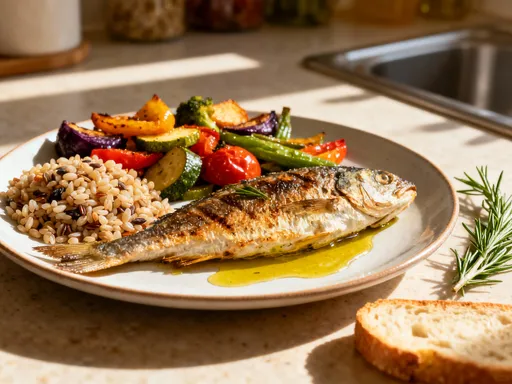
One of the most persistent myths is that this way of eating is too expensive or time-consuming. But in reality, many Mediterranean staples are affordable and long-lasting — canned beans, frozen vegetables, dried lentils, and whole grains like brown rice. Buying in bulk and cooking at home actually saved me money compared to eating out or buying processed convenience foods. Another misconception is that it requires exotic ingredients or complicated recipes. While some dishes are elaborate, the everyday meals in Mediterranean cultures are simple: a tomato salad with olive oil and herbs, a bowl of lentil soup, or grilled fish with roasted vegetables. These are meals that don’t demand perfection — just presence and a little planning.
Letting go of the idea that healthy eating must be difficult or joyless was the first real step. I began to see food not as an enemy or a source of guilt, but as a source of energy, connection, and comfort. The Mediterranean diet, at its core, is not a set of rigid rules but a lifestyle rooted in tradition, pleasure, and well-being. Once I stopped treating it like a temporary fix and started living it as a long-term choice, everything changed.
Why This Way of Eating Sticks (And Actually Feels Good)
So many diets promise results but leave you feeling drained, irritable, or obsessed with food. The Mediterranean approach is different because it’s not designed for rapid weight loss — it’s designed for lasting health. And that’s why it works. Research from institutions like the Harvard T.H. Chan School of Public Health and the New England Journal of Medicine consistently shows that people who follow this pattern have lower risks of heart disease, type 2 diabetes, and cognitive decline. It’s not a trend; it’s one of the most studied and scientifically supported eating styles in the world.
What surprised me most was how quickly I began to feel the benefits. Within just a few weeks, my energy levels evened out. I no longer crashed in the afternoon or relied on sugary snacks to keep going. My digestion improved, and I didn’t feel bloated or sluggish after meals. Cravings for processed foods gradually faded — not because I was forcing myself to resist them, but because my body was getting the nutrients it truly wanted. I wasn’t counting calories or tracking macros, yet I naturally began to eat less junk because I felt satisfied with real, whole foods.
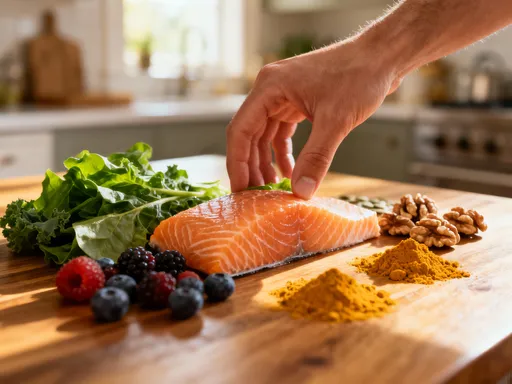
The science behind this makes sense. The diet is rich in fiber from vegetables, fruits, legumes, and whole grains, which supports gut health and helps regulate blood sugar. Healthy fats from olive oil, nuts, and fatty fish provide sustained energy and support brain function. Lean proteins help maintain muscle mass and keep you full longer. Unlike low-carb or low-fat extremes, this way of eating doesn’t eliminate entire food groups — it emphasizes quality and variety. That balance is what makes it sustainable. You’re not missing out; you’re upgrading.
Another reason it sticks is that it doesn’t feel like a diet. There’s no need to weigh portions or log every bite. Meals are flavorful and satisfying, so you don’t feel deprived. I still enjoy treats — a square of dark chocolate, a small glass of wine with dinner — but they’re part of the bigger picture, not the main event. Because I’m not restricting myself to the point of frustration, I don’t feel the urge to binge or give up entirely. This is not about willpower; it’s about creating a routine that supports your body and fits your life.
My Go-To Plate Formula (No Measuring Needed)
One of the biggest challenges when changing your eating habits is knowing what to put on your plate — especially on busy days when you’re tired and tempted to reach for something quick and easy. I used to open the fridge and stare, unsure of what counted as a “healthy” meal. That’s when I developed my simple plate formula — a visual guide that takes the guesswork out of eating well. I don’t measure portions or track points. I just fill my plate with the right balance of foods, and it works every time.
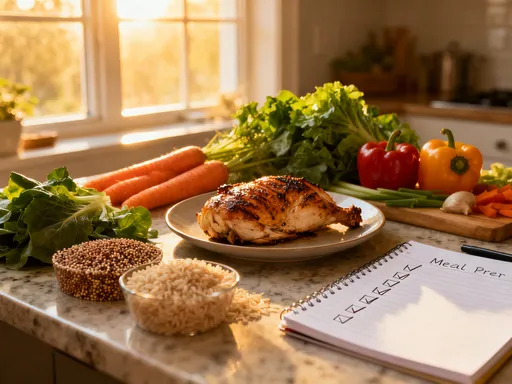
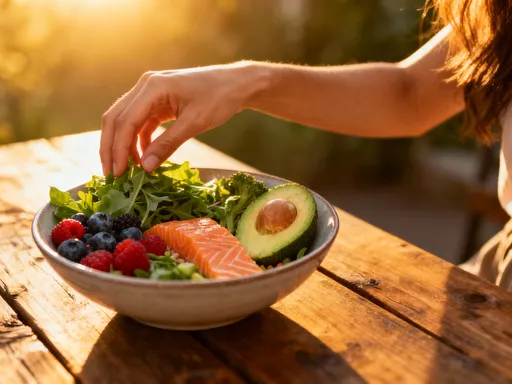
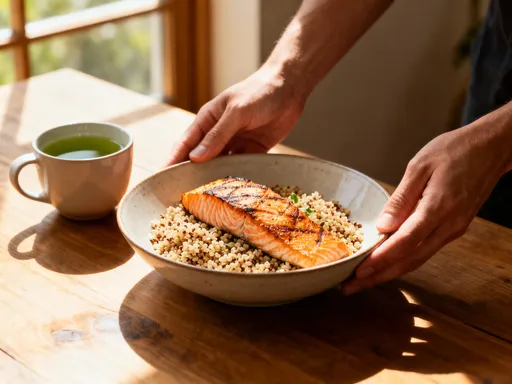
Here’s how it looks: half of the plate is filled with colorful vegetables — raw, roasted, steamed, or sautéed. I aim for variety: leafy greens, bell peppers, zucchini, carrots, tomatoes, eggplant, broccoli. The more colors, the better, because different pigments offer different nutrients. The next quarter of the plate is reserved for whole grains — brown rice, quinoa, farro, barley, or whole-wheat pasta. These provide steady energy and fiber, keeping me full and focused. The final quarter is for lean protein: grilled salmon, baked chicken, lentils, chickpeas, or tofu. I rotate these to keep things interesting and ensure I’m getting a range of amino acids and minerals.
Olive oil is my go-to fat — I drizzle it on vegetables, use it for cooking, and mix it into dressings with lemon juice and herbs. It’s not just delicious; it’s loaded with heart-healthy monounsaturated fats and antioxidants. I also include a piece of fruit with most meals — an apple, a handful of berries, or a sliced pear — as a natural, fiber-rich dessert. Sometimes I add a small handful of nuts or a few squares of dark chocolate for extra satisfaction. The key is not perfection but consistency. Even on nights when I’m short on time, I can throw together a quick meal that follows this formula: a big salad with chickpeas and olive oil, or roasted vegetables with quinoa and grilled shrimp.
This approach works because it’s flexible and realistic. I don’t need special ingredients or hours in the kitchen. I can adapt it to whatever I have on hand. And because it’s based on real food rather than processed substitutes, it keeps me feeling good both physically and emotionally. I’m not chasing quick fixes; I’m building a foundation for long-term health.
Sneaky Ways I Add Movement Without Hating It
For years, I thought being active meant long gym sessions, intense workouts, or early-morning runs — things I didn’t enjoy and rarely stuck with. I associated exercise with punishment, not pleasure. But I’ve learned that movement doesn’t have to be extreme to be effective. In fact, small, consistent actions add up more than occasional bursts of effort. The goal isn’t to become an athlete; it’s to stay strong, energized, and mobile for the long haul.
So I started small. I began walking after dinner — just 10 to 15 minutes around the block. At first, it felt like just another chore. But over time, it became something I looked forward to — a chance to unwind, breathe fresh air, and clear my mind. I noticed that I slept better on nights I walked, and my digestion improved. That small habit gave me a sense of accomplishment and made it easier to add more movement gradually.
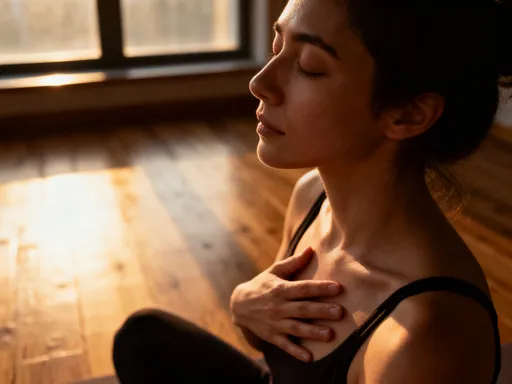
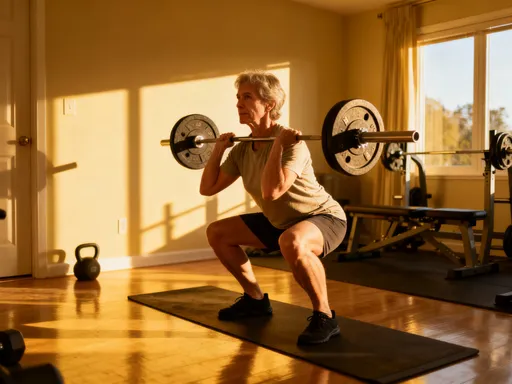
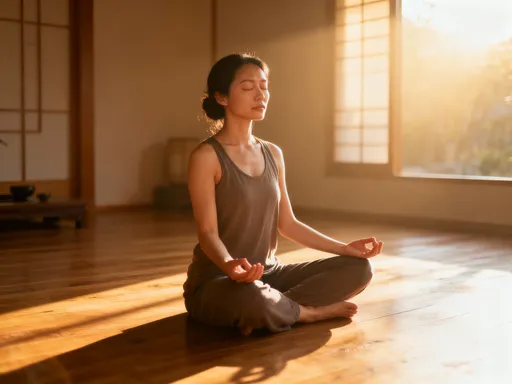
I also started taking the stairs instead of the elevator, parking farther from store entrances, and doing short stretches while watching TV. On days when I had a little more time, I followed a 10-minute bodyweight routine at home — squats, lunges, planks, and gentle push-ups. These mini-sessions didn’t require equipment or a gym membership, and they helped me build strength and flexibility without feeling overwhelmed. I even started doing light yoga on weekends, which improved my balance and reduced tension in my shoulders and back.
The beauty of this approach is that it fits into real life. I don’t have to carve out an hour every day or wear workout clothes to benefit. These small efforts boost circulation, support metabolism, and enhance the effects of healthy eating. Movement becomes less of a chore and more of a natural part of the day — like brushing your teeth or drinking water. And when it feels good, you’re more likely to keep doing it.
How Food and Movement Work Better Together
One of the most powerful realizations I’ve had is how food and movement support each other. When I eat well, I have more energy to be active. And when I move regularly, I naturally crave nourishing foods. It’s a positive feedback loop — not a cycle of guilt or restriction, but one of strength and vitality. I don’t need motivation to walk after dinner when I feel light and energized from a balanced meal. And I don’t crave sugary snacks when I’ve been active and in tune with my body.
This synergy has improved more than just my physical health. I sleep deeper, wake up feeling refreshed, and handle daily stress with more resilience. On days when I’m feeling overwhelmed, a short walk or a few minutes of stretching helps me reset. I’ve also noticed that my mood is more stable — fewer emotional swings, less irritability. I’m not perfect; there are still busy days and moments of stress. But this combination of good food and gentle movement gives me a reliable way to care for myself, no matter what life throws my way.
It’s not about pushing myself to the limit or achieving a certain look. It’s about feeling capable, strong, and in control. I can play with my kids without getting winded, carry groceries without straining, and keep up with the pace of daily life. These may seem like small things, but they add up to a better quality of life. And the best part? I didn’t have to sacrifice enjoyment to get here. I still eat bread, enjoy wine, and have dessert — but now, those pleasures are part of a balanced routine, not exceptions to a rigid rule.
Real Talk: What to Do When Motivation Fades
Let’s be honest — there are days when the couch looks more appealing than the kitchen or the walking path. Days when I want pizza, ice cream, and a movie marathon. And you know what? I allow myself those moments. I’ve learned that long-term success isn’t about never slipping up — it’s about how you respond when you do. Perfection is not the goal; consistency is.
When I have a day (or even a few days) where I’m less active or eat more comfort food, I don’t beat myself up. Guilt only makes it harder to get back on track. Instead, I practice self-compassion. I remind myself that one meal or one lazy day doesn’t erase all the progress I’ve made. What matters is returning to balance — not with punishment, but with kindness. The next day, I go back to my plate formula, take a walk, or do a short stretch. Small actions rebuild momentum without pressure.
I’ve also learned to identify my triggers — stress, fatigue, boredom — and plan for them. When I know I’ll be busy, I batch-cook grains or roast vegetables in advance. I keep healthy snacks on hand — nuts, fruit, yogurt — so I’m not tempted by junk food when I’m hungry. And I schedule movement like any other important task, even if it’s just 10 minutes. These strategies help me stay on track without relying on willpower alone.
The truth is, wellness isn’t about never failing — it’s about resilience. It’s about making choices that support your health most of the time, while allowing room for life to happen. When I let go of the need to be perfect, I found it easier to stay consistent. And that’s what leads to lasting change.
Making It Yours — And Why That Matters Most
The Mediterranean diet isn’t a one-size-fits-all plan, and neither is movement. What works for me might not work for you — and that’s okay. The most important thing is to adapt these principles to your own life, preferences, and needs. This isn’t about copying someone else’s routine; it’s about creating a version that feels good and fits naturally into your day.
Start by thinking about what you already enjoy. Do you love cooking, or do you prefer quick meals? Are you drawn to walking, dancing, gardening, or swimming? Choose foods and activities that bring you pleasure, not dread. If you don’t like fish, eat more beans or chicken. If you hate running, try stretching or cycling. The goal is sustainability, not sacrifice.
Consider your budget and schedule. Buy seasonal produce when it’s cheaper and more flavorful. Cook larger batches of grains or soups to save time during the week. Keep your movement simple — a walk after dinner, a few minutes of stretching in the morning. These small, consistent choices add up over time. And remember, progress isn’t linear. Some weeks will be better than others, and that’s normal.
True wellness isn’t about following rules — it’s about building a life you want to live. One that includes energy, strength, joy, and balance. When you make healthy choices because they make you feel good — not because you’re chasing a number on a scale — you’ve found something that lasts. The Mediterranean way of eating, combined with gentle, regular movement, isn’t a quick fix. It’s a lifelong commitment to yourself. And if I can make it work, so can you.