Shutterbug’s Paradise: Toulouse’s Most Photogenic Shopping Streets Uncovered
Toulouse, the pink-hued gem of southern France, isn’t just about history and charm—it’s a visual feast waiting to be captured. As I wandered its sun-drenched alleys, camera in hand, I realized the city’s true magic lies in its vibrant shopping districts. From bustling markets to hidden boutiques, every corner offers a perfect frame. This is where style meets story, and every shutter click feels like a memory in the making. The warm glow of terracotta walls, the rhythm of daily commerce, and the quiet elegance of local life converge to create scenes that beg to be preserved. For photographers seeking authenticity and beauty, Toulouse’s shopping streets are not just places to browse—they are living galleries, rich with color, texture, and soul.
The Allure of Toulouse: A Photographer’s First Impression
Toulouse greets visitors with a blush—its famed pink terracotta bricks glowing softly in the southern sun. This distinctive hue, derived from locally sourced clay, gives the city a warm, almost luminous quality that changes with the time of day. At dawn, the buildings appear delicate and rose-tinted; by midday, they radiate a rich, earthy red; and in the golden hour, they seem to catch fire, casting long shadows and deep contrasts ideal for photography. It is no wonder that Toulouse has earned the nickname 'La Ville Rose'—the Pink City. But beyond its architectural signature, what truly captivates the lens is the way life unfolds naturally within these historic streets.
While many travelers focus on monuments and museums, the city’s shopping districts offer a more intimate, dynamic portrait of Toulouse. Here, daily routines become visual poetry: a vendor arranging peaches in neat rows, a woman pausing to examine silk scarves in a boutique window, children laughing near a flower stall. These unscripted moments, framed by centuries-old facades and dappled sunlight, provide photographers with rich storytelling opportunities. Unlike static landmarks, shopping areas pulse with movement, color, and human connection—elements that elevate a simple photograph into a narrative.
What sets Toulouse apart is its balance of tradition and modernity. Ancient stone arches stand beside sleek storefronts; artisan bakers work just steps from contemporary design shops. This blend creates compelling visual contrasts—rough against smooth, old against new, stillness against motion. For photographers, this means endless compositional possibilities. Whether capturing the intricate ironwork of a market roof or the vibrant chaos of a street market, the city rewards attention to detail. And because these districts are woven into the fabric of everyday life, they remain accessible, authentic, and deeply photogenic.
Capitole de Toulouse & Place du Capitole: Grandeur Meets Daily Life
At the heart of Toulouse lies the Capitole, a majestic complex that houses both the city hall and the opera house. Its neoclassical façade, with grand columns and sculpted pediments, dominates the expansive Place du Capitole—a vast public square that serves as the city’s central stage. This is where Toulouse’s civic pride and daily rhythm intersect, creating a dynamic environment for photography. The square is never still: cyclists weave through pedestrians, tourists pause for photos, and locals hurry to appointments, all under the watchful gaze of the Capitole’s ornate clock tower.
What makes this space particularly compelling is the way grand architecture frames ordinary life. A street musician playing accordion near the steps becomes part of a larger composition, his figure dwarfed by the scale of the building yet central to the scene’s energy. Market stalls set up during weekends add bursts of color—bright tablecloths, handcrafted jewelry, and local honey displayed in glass jars. These temporary installations bring texture and variety to the open plaza, offering photographers ever-changing subjects.
For the best results, timing is essential. Early morning light, just after sunrise, bathes the Capitole in a soft, golden glow, minimizing harsh shadows and enhancing the pink tones of the stone. Late afternoon, especially during the golden hour, transforms the square into a dramatic tableau, with long shadows stretching across the pavement and warm light highlighting architectural details. Photographers should consider shooting from low angles to emphasize the height of the façade or use wide-angle lenses to capture the full breadth of the square. Reflections in puddles or polished surfaces after rain can also add creative dimension to compositions.
Additionally, the surrounding arcades provide sheltered vantage points for observing and photographing the square without intrusion. These covered walkways, lined with cafés and boutiques, allow for candid shots of people in motion—laughing couples, families with strollers, friends sharing coffee. The interplay of light and shadow beneath the arches creates natural framing, drawing the eye toward specific moments. By returning at different times of day, photographers can document the square’s transformation—from the quiet stillness of dawn to the vibrant energy of midday and the romantic glow of twilight.
Rue Sainte-Claire: Bohemian Vibes and Boutique Charm
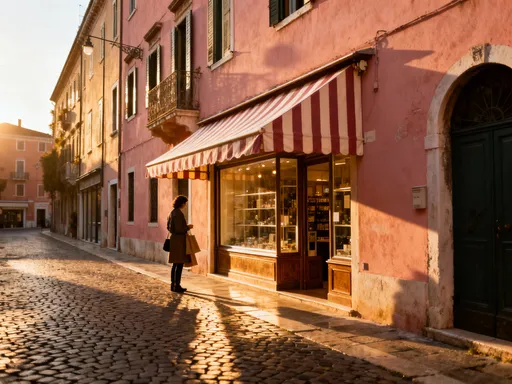
Nestled in the historic Saint-Aubin quarter, Rue Sainte-Claire is a narrow, winding street that feels worlds away from the grandeur of the Capitole. Here, Toulouse reveals a more intimate, artistic side. Lined with independent boutiques, vintage shops, and artisan studios, this cobblestone lane pulses with creative energy. Colorful awnings flap gently in the breeze, hand-painted signs advertise handmade soaps or bespoke jewelry, and window displays are curated like miniature art installations. Every detail invites the camera in, offering close-up opportunities that celebrate craftsmanship and individuality.
What makes Rue Sainte-Claire so photogenic is its human scale. Unlike wide boulevards, this street encourages slow exploration, allowing photographers to engage with small moments—a cat napping in a doorway, a barista arranging pastries in a café window, a woman adjusting a mannequin in a fashion boutique. These quiet interactions, framed by weathered stone walls and climbing ivy, exude warmth and authenticity. The absence of large chain stores ensures a sense of uniqueness; each shop reflects the personality of its owner, making the street itself a portrait of local character.
For photographers, this environment is ideal for detail shots and environmental portraits. A macro lens can reveal the texture of aged wood on a shop door or the intricate stitching on a leather bag. Wide shots benefit from the street’s natural leading lines—the curve of the cobblestones, the repetition of window grilles, the alignment of awnings—all guiding the eye toward a focal point. Because the street is relatively narrow, natural light filters in from above, creating soft, diffused illumination that minimizes glare and enhances color saturation.
The best time to photograph Rue Sainte-Claire is mid-morning, when shops are open but the street is not yet crowded. This allows for unobstructed shots of façades and displays. Later in the day, as locals and tourists browse, the street comes alive with movement—ideal for capturing candid moments. Photographers should approach with respect, especially when photographing people inside shops. A smile and a nod often suffice to gain unspoken permission. By focusing on details and interactions, rather than sweeping panoramas, one can create a visual narrative that honors the street’s bohemian spirit.
Les Halles de Castelnau: A Feast for the Eyes and Lens
Just a short walk from the city center, Les Halles de Castelnau stands as one of Toulouse’s most beautiful indoor markets. Housed beneath a striking iron-and-glass canopy, the market is a symphony of color, scent, and sound. Rows of stalls overflow with seasonal produce—plump tomatoes, glossy eggplants, bunches of herbs tied with twine—arranged with almost artistic precision. Butchers display rosy cuts of meat on marble slabs; cheesemongers offer rounds of creamy brie and pungent blue; bakers tempt with golden baguettes and flaky pastries. For photographers, this sensory abundance presents a paradise of textures, patterns, and light.
The market’s architectural setting enhances its visual appeal. The arched glass roof allows natural light to flood the space, creating a bright, airy atmosphere ideal for photography. Sunlight filters through, casting delicate shadows from the iron trusses and illuminating the vibrant hues of fruits and vegetables. This overhead lighting minimizes harsh contrasts, making it easier to capture true colors without overexposure. The high ceiling also provides room for vertical compositions—shooting upward to include the structure, or downward from a balcony for a bird’s-eye view of the market’s organized chaos.
One of the most rewarding aspects of photographing Les Halles de Castelnau is the opportunity for macro photography. A close-up of dewdrops on a grape cluster, the marbling of a raw steak, or the crumb structure of a freshly sliced sourdough loaf can transform ordinary food into compelling art. These intimate shots highlight the care and craftsmanship behind each product, telling a story of regional agriculture and tradition. Using a shallow depth of field helps isolate subjects, drawing attention to texture and detail while softly blurring the background.
Photographers should also consider the human element. Vendors interacting with customers—weighing olives, wrapping cheese in paper, offering samples—create natural storytelling moments. These interactions are best captured with discretion and respect. A brief conversation or a smile can go a long way in gaining trust. Avoid using flash, which can be intrusive in such close quarters. Instead, rely on available light and a higher ISO setting if necessary. Early morning is the ideal time to visit, when the market is at its most vibrant and least crowded, ensuring clear sightlines and fresh displays.
Rue d’Alsace-Lorraine: The Fashion Pulse with a Historic Backdrop
As Toulouse’s premier shopping street, Rue d’Alsace-Lorraine blends elegance with energy. Lined with plane trees and flanked by 19th-century buildings, this broad avenue offers a sophisticated urban landscape perfect for street photography. International brands like Zara and Sephora share space with French boutiques and specialty stores, creating a cosmopolitan yet distinctly local atmosphere. The street’s architecture—featuring ornate balconies, wrought-iron railings, and tall windows—provides a timeless backdrop that contrasts beautifully with modern fashion displays.
What makes this street particularly photogenic is the interplay between movement and stillness. Shoppers stroll with shopping bags, couples pause to consult maps, and delivery workers navigate the sidewalks—all against a static, classical façade. This contrast allows photographers to experiment with motion blur, using slower shutter speeds to capture the flow of people while keeping buildings sharp. Alternatively, fast shutter speeds can freeze a moment—a woman adjusting her sunglasses, a dog tugging on a leash, a cyclist darting past a café table—preserving the vitality of urban life.
The tree canopy offers dappled light, creating natural highlights and shadows that add depth to images. Photographers can use this to their advantage by positioning subjects where light falls most attractively. The reflections in store windows also provide creative opportunities—layering the image with both the passerby and their reflection, or capturing a distorted view of the street through rippled glass. These techniques add complexity and intrigue to compositions.
Because Rue d’Alsace-Lorraine is a major thoroughfare, timing is crucial. Midweek mornings tend to be less crowded, allowing for cleaner shots of storefronts and architecture. Weekends bring more energy but also more people, which can be ideal for candid photography. For a unique perspective, consider shooting from the upper floors of nearby buildings or from the side streets that intersect the avenue, offering diagonal views that emphasize depth and perspective. The key is to remain observant—some of the most compelling moments happen in the margins, not the center.
Marché Victor Hugo: Where Culture and Commerce Collide
No visit to Toulouse is complete without experiencing Marché Victor Hugo, the city’s most iconic indoor market. More than just a place to buy food, it is a cultural institution—a living testament to the region’s culinary heritage. Housed in a grand 19th-century iron structure, the market hums with activity from early morning until late afternoon. Butchers, fishmongers, cheesemongers, and bakers operate side by side, their stalls a mosaic of color, scent, and sound. For photographers, it is a masterclass in storytelling through imagery.
What sets Marché Victor Hugo apart is the intimacy of its interactions. Vendors know their customers by name, offering recommendations and sharing recipes. A grandmother might ask for the softest cheese for her grandson; a chef might inspect the freshness of sardines for a dinner special. These exchanges, brief as they may be, are rich with emotion and tradition. Capturing them requires patience and sensitivity. Rather than snapping quick shots, photographers should linger, observe, and build rapport. A simple 'Bonjour' and a respectful distance often lead to natural, unguarded moments.
Compositionally, the market offers endless possibilities. Wide shots can convey the scale and energy of the space, while tighter frames focus on hands—gripping a knife, weighing spices, arranging figs. These details tell stories of skill and care. The market’s lighting, though primarily artificial, is warm and consistent, making color accuracy achievable with proper white balance settings. The high ceilings and open layout reduce the need for wide-angle distortion, allowing for more natural perspectives.
Photographers should also pay attention to the rhythm of the day. Mornings are the most active, with vendors setting up and locals doing their shopping. By mid-afternoon, the pace slows, offering quieter moments—steam rising from a coffee cup, a cat curled beneath a counter, a vendor wiping down a cutting board. These still points within the bustle create powerful contrasts. By documenting not just the products but the people behind them, photographers honor the market’s true essence: a place where food, community, and tradition are inseparable.
Practical Tips for Capturing Toulouse’s Shopping Scene
Photographing Toulouse’s shopping districts successfully requires more than a good camera—it demands preparation, awareness, and respect. First, consider your gear. A lightweight mirrorless or compact DSLR is ideal for navigating narrow streets and crowded markets. A prime lens, such as a 35mm or 50mm, offers excellent image quality and low-light performance, perfect for capturing natural expressions without distortion. For detail shots, a macro lens allows you to explore textures up close, while a zoom lens can help isolate subjects from a distance without intrusion.
Lighting plays a crucial role. Toulouse’s Mediterranean climate means abundant sunshine, but midday light can be harsh and unflattering. Aim to shoot during the golden hours—shortly after sunrise and before sunset—when the light is soft, warm, and directional. Overcast days, though less dramatic, provide even illumination ideal for color-rich scenes like markets. In indoor spaces like Les Halles de Castelnau or Marché Victor Hugo, rely on natural light from skylights and avoid using flash, which can disturb vendors and customers alike.
Crowds are inevitable, especially on weekends. To manage them, arrive early—between 8:00 and 9:30 a.m.—when markets are freshly stocked and foot traffic is lighter. This not only improves photo quality but also allows for more meaningful interactions. When photographing people, always prioritize ethics. A smile, eye contact, or a simple gesture can convey your intentions. If someone appears uncomfortable, move on. Authenticity should never come at the expense of dignity.
Additionally, be mindful of local norms. In France, candid photography in private businesses can be sensitive. When in doubt, ask for permission. Many vendors are proud of their work and happy to be photographed, especially if you show genuine interest. Finally, take time to explore beyond the obvious. Some of the most striking images come from side alleys, hidden courtyards, or quiet corners where light falls just right. By staying present and patient, you allow the city to reveal its quietest, most beautiful moments.
Framing the Soul of Toulouse
Toulouse’s shopping streets are more than commercial spaces—they are living chronicles of the city’s identity. In every market stall, boutique window, and sunlit square, one finds the heartbeat of daily life. These are not staged scenes for tourists, but real moments of connection, craft, and community. For photographers, this authenticity is invaluable. It transforms a simple image into a lasting memory, a single frame into a story.
The city’s pink walls may draw the eye, but it is the people, the colors, and the light that hold the soul. By looking beyond famous landmarks and embracing the rhythm of commerce, photographers gain access to a deeper, more intimate Toulouse. They learn to see beauty in the arrangement of fruit, the curve of a wrought-iron balcony, the smile of a vendor offering a sample. These are the moments that define a place not by its monuments, but by its spirit.
So pick up your camera, wander without agenda, and let Toulouse unfold before you. Let the light guide your lens, the colors inspire your eye, and the people shape your narrative. In doing so, you do not merely capture images—you preserve the quiet poetry of a city that lives fully, beautifully, in the everyday. Toulouse is not just a destination. It is a living gallery, waiting to be seen.