You Won’t Believe This Hidden Food Scene in Salamanca
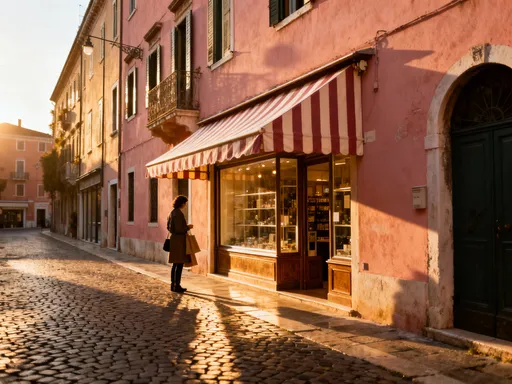
Tucked away in western Spain, Salamanca is more than just stunning architecture and university charm—its real magic lies in the local cuisine few tourists ever discover. I wandered its sun-drenched plazas and stumbled upon family-run taverns where centuries-old recipes come alive. This isn’t just eating; it’s tasting history. If you think you know Spanish food, wait until you try what’s hiding behind Salamanca’s quiet stone walls. The city’s golden sandstone buildings glow at sunset, casting a warm light over cobblestone alleys where the scent of garlic, paprika, and slow-roasted meat drifts from open doorways. Beyond the grand façade of the Plaza Mayor and the ancient halls of Europe’s third-oldest university, a more intimate experience unfolds—one measured in shared plates, clinking glasses, and the quiet pride of cooks who’ve spent decades perfecting their craft. This is not a food scene built for Instagram, but one sustained by tradition, seasonality, and the rhythm of daily life.
Discovering Salamanca’s Culinary Soul
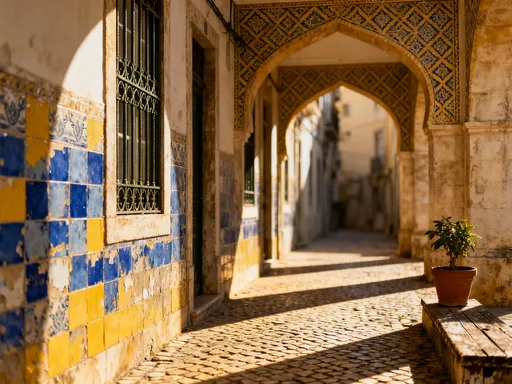
Salamanca’s culinary identity is deeply rooted in its geography and history. Nestled in the heart of Castile and León, the region is known for its rugged landscapes, vast plains, and a climate that favors hearty, warming dishes. The city’s UNESCO-listed old town, with its intricate Plateresque architecture and winding streets, may draw visitors for its beauty, but those who linger discover a food culture that thrives in the spaces between sightseeing. Early mornings reveal the true pulse of the city—at the Mercado Central, where farmers from surrounding villages arrive before dawn to set up stalls brimming with seasonal produce. Crates of ruby-red tomatoes, baskets of wild mushrooms foraged from nearby hills, and wheels of cheese wrapped in cloth are arranged with care, each item a testament to local stewardship of the land.
What sets Salamanca apart is the balance between tradition and vitality. Unlike larger tourist hubs where menus are translated into five languages and dishes are adapted for foreign palates, here the food remains unapologetically Spanish. Bakeries open at sunrise, filling the air with the buttery aroma of freshly baked hornazo and the crisp scent of rosquillas, ring-shaped pastries dusted with sugar. These are not novelty items for visitors—they are staples of family breakfasts and afternoon snacks. The university, with over 30,000 students, adds a layer of youthful energy to the city’s dining rhythm. Young people crowd into tapas bars after lectures, not for trendy cocktails, but for glasses of house red wine and small plates of tortilla española or fried padrón peppers.
The region’s position as a crossroads of central Spain means its cuisine absorbs influences from neighboring provinces. From Extremadura to the south comes migas, a dish of fried breadcrumbs transformed into a rich, savory side often paired with chorizo or roasted peppers. From León to the north, slow-cooked stews like cochino al horno—roast suckling pig—find their way onto menus, especially during festivals. Yet Salamanca maintains its own identity, favoring subtlety over excess, and allowing ingredients to speak for themselves. It is a place where a simple plate of grilled lamb chops, seasoned only with sea salt and rosemary, can be a revelation.
Off-the-Beaten-Path Tapas Culture
The tapas culture in Salamanca is not performative—it is woven into the fabric of daily life. While tourists gather in the well-lit squares, locals slip into narrow alleyways to unmarked bars where the only signage might be a chipped awning or a chalkboard scrawled with that day’s offerings. These are not hidden on purpose; they simply never needed to advertise. Generations of families have passed down the habit of stopping for a drink and a bite, and the ritual remains unchanged. Order a caña, a small draft beer, and more often than not, a small plate appears alongside it—free, unexpected, and often the highlight of the meal.
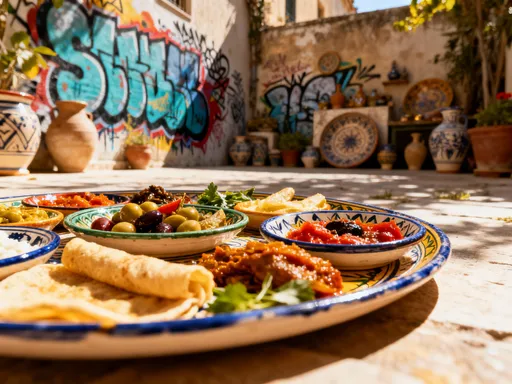
In neighborhoods like Huerto and San Julián, the pace slows even further. Here, the bars are family-owned, the counters worn smooth by decades of elbows, and the atmosphere one of quiet camaraderie. One such spot, tucked behind a weathered wooden door, serves chorizo a la sidra—a humble yet extraordinary dish where slices of spicy sausage are simmered in cider until tender, the liquid reducing into a fragrant, slightly sweet sauce. Another favorite is migas extremeñas, a dish born from peasant ingenuity, where stale bread is fried with garlic, paprika, and pork, creating a rich, crumbly texture that pairs perfectly with a glass of young red wine.
What makes these experiences special is their authenticity. There are no English menus, no influencer photo shoots, and no attempt to cater to fleeting trends. The food is served as it has always been—on simple white plates, with a basket of bread, and a jug of house wine. The servers, often the owners themselves, move with the calm efficiency of people who know their craft. They might offer a recommendation in rapid Spanish, or simply nod toward a dish another patron is enjoying. To eat here is to participate in a tradition that values connection over spectacle, and flavor over presentation.
The Secret Behind Iberico Ham and Cheese Boards
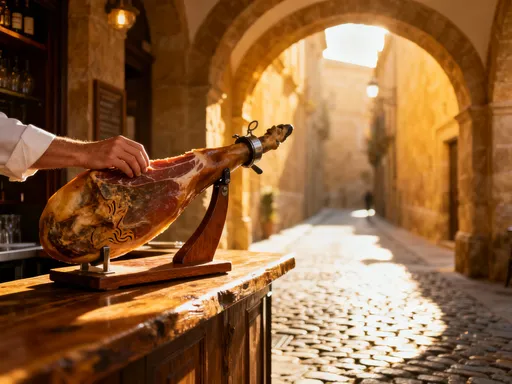
No exploration of Salamanca’s food culture would be complete without a deep appreciation for its cured meats and artisanal cheeses. Just a short drive from the city lies Guijuelo, a town renowned for producing some of the finest jamón ibérico de bellota—acorn-fed Iberian ham—available anywhere. This prized ham comes from black Iberian pigs that roam freely in oak forests, feeding on acorns during the final months of their lives. The result is a deeply marbled, richly flavored ham with a nutty sweetness that melts on the tongue.
In Salamanca, access to this delicacy is effortless. Small delicatessens, often no larger than a closet, specialize in cured meats and cheeses. Step inside one of these shops, and you might find a master carver standing behind a wooden block, slicing the ham by hand with a long, flexible knife. The precision is mesmerizing—each slice so thin it’s nearly translucent, laid out in delicate folds on a plate. This is not a performance for tourists; it is a daily ritual, a demonstration of skill passed down through apprenticeships and family tradition.
The ham is often paired with local cheeses, particularly queso de campo, a semi-soft sheep’s milk cheese with a mild, buttery flavor. Served at room temperature and drizzled with wildflower honey, the combination is a study in balance—salty, sweet, creamy, and earthy all at once. Some bars elevate the experience further by adding quince paste, marinated olives, or a few slices of rustic bread. These boards are not mere appetizers; they are a reflection of Spanish dining philosophy, where time is taken to savor each bite, where conversation flows as freely as wine, and where the act of eating becomes a form of connection.
Traditional Restaurants That Time Forgot
Scattered throughout Salamanca are restaurants that seem untouched by time. These are not themed establishments designed to evoke nostalgia—they are the real thing. Tiled walls, checkered tablecloths, and wooden beams overhead set the scene, but it is the food and the people that make them unforgettable. Many have been run by the same family for three or even four generations, with recipes handed down from grandmothers and great-uncles. Menus change daily, dictated not by trends but by what is fresh at the market. There is no fixed pricing online, no online reservations—just a phone call or a walk-in, and a meal that unfolds at its own pace.
One such restaurant, located just off Calle Toro, serves hornazo, a savory meat pie traditionally made for Easter but enjoyed year-round. The crust is flaky and golden, filled with a rich mixture of chorizo, ham, and hard-boiled eggs. Another specialty is sopa de ajo, a garlic soup that dates back to medieval times. Made with stale bread, paprika, garlic, and poached eggs, it is humble in appearance but deeply satisfying, especially on a cool evening. These dishes are not exotic—they are the food of home, of celebration, of comfort.
What stands out in these restaurants is the absence of rush. Meals often last two or three hours, not because service is slow, but because there is no expectation to turn tables. Families gather for Sunday lunch, students debate over glasses of wine, and older couples share quiet conversations. The waitstaff moves with a calm presence, refilling water glasses and offering small extras—a taste of the house liqueur, a complimentary dessert. It is a model of hospitality that prioritizes warmth over efficiency, and it leaves a lasting impression on those who experience it.
Sweet Endings: Salamanca’s Overlooked Desserts
While savory dishes dominate the table, Salamanca’s desserts offer a delicate counterpoint, often rooted in centuries-old convent traditions. Among the most iconic is yemas de Santa Teresa, a rich, creamy confection made primarily from egg yolks and sugar. Named after Saint Teresa of Ávila, a 16th-century mystic and reformer, these sweets were originally crafted by nuns in local convents using surplus egg yolks from clarified butter used in religious rituals. Today, small shops in the old town continue the tradition, selling the candies in ornate boxes tied with ribbon.
The texture of yemas is luxuriously smooth, almost like a dense custard, with a sweet, slightly floral flavor. They are often shaped into small domes and dusted with powdered sugar. Though they look simple, their preparation is meticulous, requiring precise temperature control and constant stirring to achieve the perfect consistency. They are not the kind of dessert made for mass production—each batch is a labor of patience and care.
Seasonal offerings also play a key role in Salamanca’s pastry culture. During the winter months, bakeries fill with mantecados and polvorones—crumbly shortbread-like cookies made with lard, flour, sugar, and sometimes almonds or cinnamon. These treats, often associated with Christmas, are sold in paper-wrapped bundles and make for thoughtful gifts. The techniques used to make them have changed little over the centuries, preserving a culinary heritage that might otherwise be lost to industrialization. To taste one is to take a bite of history, a reminder that some of the most meaningful flavors are the ones that have stood the test of time.
How to Eat Like a Local: Practical Tips
To truly experience Salamanca’s hidden food scene, a shift in mindset is required. Forget the idea of ticking off famous restaurants or snapping photos of every dish. Instead, embrace the local rhythm. Meals in Spain happen later than in many other countries—lunch typically begins around 2:00 or 3:00 p.m., and dinner rarely starts before 9:00 p.m. Arriving too early may mean finding closed doors or empty dining rooms. Adjusting your schedule allows you to eat when the food is freshest and the atmosphere most vibrant.
Cash is still king in many small bars and family-run eateries. While larger restaurants accept cards, the most authentic spots often operate on a cash-only basis. Having euros on hand ensures you won’t miss out on a spontaneous stop at a tucked-away tapas bar. Learning a few basic Spanish phrases can also go a long way. A simple “¿Qué recomienda?” (“What do you recommend?”) or “Buenas tardes” upon entering can open doors—sometimes literally—to warmer service and insider suggestions.
While food walking tours are available and can offer valuable introductions, the best discoveries often come from wandering without a map. Let yourself get slightly lost in the old town’s labyrinthine streets. Follow the scent of grilled meat or the sound of laughter from an open doorway. Look for places filled with university students or older residents—these are strong indicators of authenticity. Avoid restaurants with multilingual menus displayed prominently on the sidewalk; they are often geared toward tourists and may lack the depth of flavor found in more modest settings. Instead, seek out spots where the menu is written on a chalkboard, or where there is no menu at all—just a verbal offer from the server.
Why This Matters: Preserving Authentic Travel
In an age of curated travel content and algorithm-driven recommendations, seeking out Salamanca’s hidden food scene is an act of resistance—a choice to move beyond the surface and engage with a place on its own terms. These unassuming taverns, family kitchens, and neighborhood markets are not just sources of nourishment; they are keepers of culture, identity, and community. When travelers choose to support them, they contribute to the preservation of traditions that might otherwise fade in the face of globalization and mass tourism.
Eating in Salamanca becomes more than sustenance—it becomes a form of storytelling. Every dish carries a history, every flavor a memory. Sharing a bottle of vino tinto in a backstreet bar, laughing with strangers over a plate of migas, or accepting a slice of homemade cake from a shop owner—these are the moments that define meaningful travel. They remind us that the world is not a checklist, but a collection of human experiences waiting to be shared.
Salamanca invites travelers to slow down, to listen, and to savor. It asks not for admiration from a distance, but for participation. To eat here is to be welcomed, not as a visitor, but as a guest. And in that simple gesture—of being offered a free tapa, a warm smile, or a story about a recipe passed down through generations—lies the true heart of travel. Let the flavors lead you. Let the city surprise you. And above all, let yourself be present, one unforgettable bite at a time.