You Won’t Believe These Secret Beaches in Milos
If you’ve ever dreamed of turquoise waters lapping against surreal rock formations, Milos, Greece should be on your radar. I went searching for solitude and found it in coves so pristine, they felt untouched. This island isn’t just about postcard views—it’s where nature carves drama into the coastline. From hidden beaches to volcanic cliffs, Milos delivers a raw, authentic escape that surprised even me.
Why Milos Stands Out Among Greek Islands
Greece is renowned for its dazzling islands, each offering sun-drenched charm and timeless beauty. Yet among the more familiar names like Mykonos and Santorini, Milos remains a quiet revelation. Unlike its bustling neighbors, where summer crowds surge through narrow alleyways and popular beaches teem with sunbathers, Milos retains a sense of untouched serenity. Its relative obscurity is not a flaw—it is a gift. The island’s unique geological history, shaped by ancient volcanic activity, has sculpted a coastline unlike any other in the Aegean. Rugged cliffs, sea caves, and multicolored rock strata tell a story millions of years in the making, offering visitors a landscape that feels both primal and poetic.
While Santorini draws admirers with its iconic caldera views and Mykonos tempts with cosmopolitan energy, Milos appeals to those seeking depth over dazzle. Here, the terrain shifts dramatically from one bay to the next—soft sandy inlets give way to lunar-like rock formations, and turquoise coves hide behind volcanic headlands. This diversity makes it a paradise for nature lovers, hikers, and swimmers who crave discovery rather than convenience. The island’s slower pace, rooted in fishing and local agriculture, fosters a genuine connection to place. There are no high-rise resorts or mass tourism developments; instead, family-run tavernas serve freshly caught octopus, and village squares echo with the laughter of generations.
What truly sets Milos apart is its authenticity. Because it has not been overrun by international tourism, the island’s ecosystems remain largely intact. Seabirds nest in undisturbed cliffs, and marine life thrives in clear, protected waters. For travelers who value sustainability and meaningful experiences, Milos offers a rare opportunity: to explore an island where nature still leads the way. It’s not just a destination—it’s a reminder of what Greek island life once was, and can still be, when protected with care.
Sarakiniko: Otherworldly Landscapes That Defy Imagination
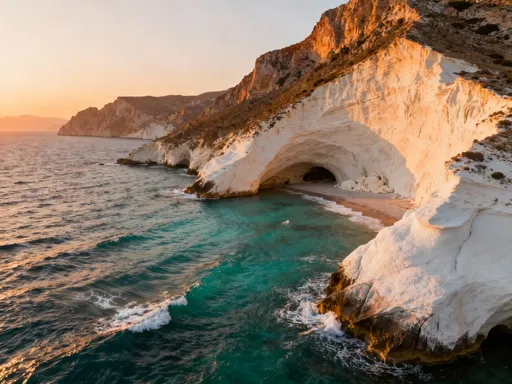
Among Milos’ many natural wonders, Sarakiniko stands as one of the most surreal. At first glance, the landscape resembles a moonscape—smooth, undulating formations of white volcanic rock stretch toward the sea, eroded into sweeping curves and hollows by centuries of wind and water. The absence of vegetation enhances the otherworldly effect, creating a quiet, almost meditative space where the only sounds are waves crashing below and the soft rustle of the breeze. This striking site is not just visually arresting; it is a geological masterpiece shaped by the island’s fiery origins.
The rock at Sarakiniko is composed of feldspar-rich rhyolite, formed during explosive volcanic eruptions millions of years ago. Over time, the forces of erosion—particularly saltwater and wind—have carved the soft stone into natural sculptures. Smooth platforms, perfect for sunbathing, lead to sudden drops into the sea, where turquoise waters swirl into hidden pools and shallow grottoes. These natural basins, filled with clear, calm water, are ideal for swimming, especially for those who enjoy a more adventurous dip. The contrast between the chalky white rock and the vibrant blue sea creates a visual harmony that photographers and nature lovers alike find irresistible.
Because of its growing fame, Sarakiniko can attract visitors, particularly during midday hours. For the most peaceful experience, arriving early in the morning or later in the afternoon is recommended. The soft golden light of sunrise or late afternoon enhances the textures of the rock and casts long shadows that accentuate the landscape’s curves. To preserve this fragile environment, visitors are encouraged to stay on designated paths and avoid climbing on unstable rock formations. The surface, though solid-looking, can be brittle in places, and foot traffic in sensitive areas accelerates erosion. Responsible tourism ensures that Sarakiniko remains as awe-inspiring for future generations as it is today.
Kleftiko: The Iconic Sea Caves You Have to See to Believe
No visit to Milos is complete without witnessing Kleftiko, a cluster of sea caves and rock formations on the island’s western edge. Once a refuge for pirates—hence the name, derived from “kleptis” meaning “thief”—this site now serves as one of the most breathtaking natural attractions in the Aegean. Accessible only by boat, Kleftiko feels like a secret world revealed only to those willing to make the journey. Towering white cliffs rise from the sea, riddled with arches, tunnels, and caverns carved by relentless waves. Sunlight filters through openings above, casting shimmering patterns on the water’s surface and illuminating the vibrant blues and greens beneath.
Most visitors reach Kleftiko through organized boat tours that depart from Adamas, the island’s main port. These excursions typically include swimming stops, snorkeling opportunities, and guided commentary on the area’s history and geology. For a more intimate experience, some travelers opt for kayaking tours, which allow for slower, quieter exploration. Paddling through narrow channels and beneath natural arches offers a sense of discovery that larger boats cannot match. The stillness of the water inside the caves, combined with the echo of waves and distant laughter, creates a serene, almost sacred atmosphere.
The underwater clarity at Kleftiko rivals that of some of the world’s top diving destinations. Snorkelers can see schools of colorful fish darting through rocky crevices, while the white seabed reflects sunlight like an underwater mirror. The combination of geological drama and marine vitality makes this site a haven for nature photographers and marine enthusiasts. Because the area is ecologically sensitive, tour operators follow strict guidelines to minimize environmental impact—anchoring is restricted, and swimming is encouraged only in designated zones. Protecting Kleftiko is not just about preserving beauty; it’s about honoring a place where land, sea, and history converge in perfect harmony.
Fiery Sunsets at Papafragas & Paliorema Beach
While many tourists flock to well-known sunset spots, Milos offers quieter, equally stunning alternatives. Papafragas and Paliorema Beach, located on the island’s northern coast, are two such hidden gems. Papafragas is a dramatic inlet where deep blue waters surge through narrow rock passages, creating whirlpools and frothing currents that captivate onlookers. The surrounding cliffs, streaked with iron-rich hues of red and orange, glow intensely during sunset, reflecting in the churning water below. It’s a place of raw coastal energy, where the power of the sea is on full display.
Nearby, Paliorema Beach offers a more tranquil contrast. Once the site of a sulfur mine, the beach is now defined by its unique blend of natural and industrial history. Rusting metal remnants and stone foundations from the old mining operations remain embedded in the landscape, slowly being reclaimed by nature. These structures, softened by time and lichen, add a layer of historical texture to the scenic beauty. The beach itself is small, with dark volcanic sand and calm, clear waters—ideal for a quiet swim as the day ends.
Visiting both locations during golden hour provides some of the most memorable moments on the island. As the sun dips below the horizon, the sky ignites in shades of amber, rose, and violet, casting a warm glow over the rock formations and sea. Unlike more crowded viewpoints, these spots rarely draw large groups, allowing for peaceful contemplation. The combination of geological drama, historical depth, and chromatic brilliance makes them perfect for travelers who appreciate beauty with a story. For those seeking a moment of stillness, a bench carved into the rock at Papafragas offers a front-row seat to one of nature’s most reliable performances.
Hidden Gems: Off-the-Beaten-Path Coves Only Locals Know
Beyond the famous beaches lie coves so secluded they feel like private discoveries. Tsigrado Beach is one such place—a hidden pocket of paradise accessible only after descending a steep rope ladder and navigating a narrow passage through the rocks. At the bottom, visitors are rewarded with a small, horseshoe-shaped bay of powdery white sand and translucent water, sheltered by towering cliffs on all sides. The effort required to reach it ensures that crowds remain minimal, preserving its sense of exclusivity and peace.
Another lesser-known gem is Tsili Beach, a quiet stretch of golden sand tucked away on the southern coast. Reached via a rugged dirt road and a short walk, Tsili remains off most tourist maps. Its shallow, calm waters make it ideal for families, while the lack of amenities—no sunbeds, no beach bars—enhances its natural charm. Here, the only sounds are the gentle lap of waves and the occasional call of a seabird. These hidden beaches exemplify the kind of unspoiled beauty that defines Milos at its best.
What makes these coves so special is not just their beauty, but their inaccessibility. The physical effort required to reach them acts as a natural filter, keeping mass tourism at bay. Yet with that privilege comes responsibility. Travelers are urged to follow leave-no-trace principles: packing out all trash, avoiding loud music, and refraining from carving into rocks or disturbing wildlife. These practices ensure that the island’s most intimate spaces remain pristine. For those willing to seek them out, these hidden beaches offer more than just a swim—they offer a deeper connection to nature, a reminder that the most rewarding experiences often lie just beyond the easy path.
How to Move Through the Island with Ease
Navigating Milos requires a balance of planning and flexibility. While the island has a public bus system, its limited routes and schedules make independent transportation the best option for exploring remote beaches. Renting an ATV, scooter, or small car provides the freedom to follow scenic coastal roads and venture down unpaved paths leading to hidden coves. ATVs are particularly popular among visitors, offering agility on narrow roads and the ability to park close to trailheads.
Road conditions vary—main roads are well-maintained, but rural routes can be rocky or dusty, especially in summer. Drivers should exercise caution, particularly on blind curves and steep descents. GPS navigation is helpful, but some beach locations may not be accurately marked. Asking locals for directions or using offline maps with pre-downloaded routes can prevent confusion. Many visitors find it useful to plan their beach visits around tide schedules and sun position—arriving early ensures parking space and cooler temperatures for hiking.
Choosing a base town enhances the overall experience. Adamas, the island’s port, offers convenience with restaurants, shops, and ferry access, making it ideal for first-time visitors. Pollonia, a quieter village on the northeast coast, provides a more relaxed atmosphere with seaside tavernas and easy access to northern beaches. Both towns maintain a strong sense of community and offer comfortable accommodations, from family-run guesthouses to boutique apartments. Staying in smaller settlements allows travelers to engage more deeply with local life and rhythms.
To fully absorb Milos’ essence, it’s important to balance exploration with rest. The island rewards slow travel—spending a full day at a single beach, returning to the same cove at different times to see how light transforms the landscape. Rushing from one site to the next risks missing the subtle details that make Milos magical: the way the wind shapes the dunes at Firiplaka, the sound of goats echoing in a distant ravine, the taste of a ripe fig bought from a roadside stand. Moving with intention allows the island to reveal itself, not as a checklist of sights, but as a living, breathing place.
Protecting Milos’ Natural Treasures for the Future
As Milos gains recognition, the need for conservation becomes increasingly urgent. Local communities, environmental groups, and government agencies have launched initiatives to protect the island’s fragile ecosystems. Beach clean-up campaigns, waste reduction programs, and educational outreach help raise awareness among residents and visitors alike. Some areas, including parts of Kleftiko and Sarakiniko, are now designated as protected zones, with restrictions on access and development to prevent environmental degradation.
Sustainable travel choices play a crucial role in preserving Milos’ beauty. Simple actions—bringing reusable water bottles, avoiding single-use plastics, and choosing eco-conscious tour operators—make a meaningful difference. Noise pollution, often overlooked, is another concern; loud music and motorized water sports can disturb wildlife and diminish the peace that defines the island. Travelers are encouraged to embrace low-impact activities such as swimming, snorkeling, hiking, and kayaking, which allow for deep engagement with nature without harming it.
Respect for local culture and environment goes hand in hand. Milos has long been shaped by its relationship with the sea and the land—fishing, mining, and agriculture have sustained its people for generations. Visitors who honor this legacy by supporting local businesses, following guidelines, and treading lightly contribute to a more sustainable future. The island’s beauty is not a given; it is the result of careful stewardship and natural resilience.
Milos doesn’t shout for attention—it whispers. Its power lies in silence, in untouched shores, in light dancing on ancient stone. By choosing to explore mindfully, we don’t just discover landscapes; we help preserve them. This island is a call to slow down, look closer, and fall in love with nature as it should be—wild, rare, and real.